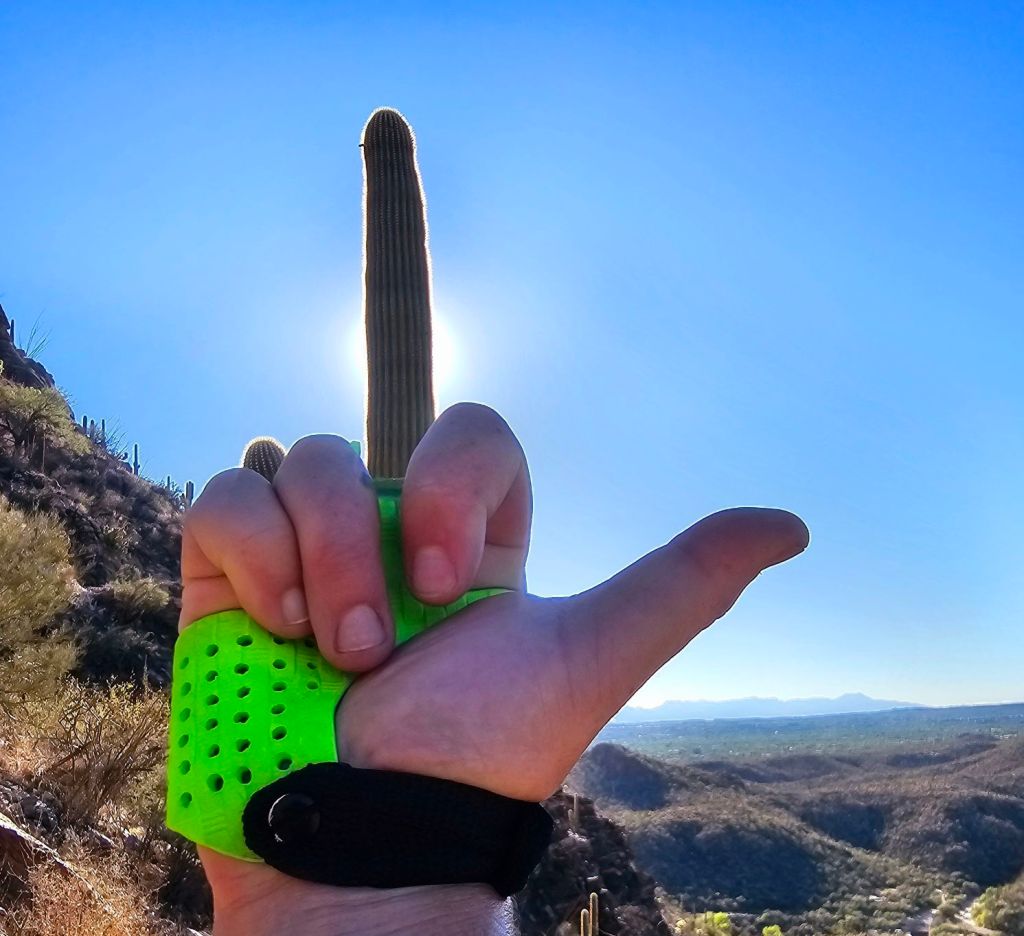
Despite 5 surgeries including amputation, many different injections and countless hours of physical therapy, I still get shooting electrical pains and full hand muscle spasms. And I am constantly re-injuring the damaged parts related to my ring finger with the most mundane daily tasks. Functionally speaking, I really only have my thumb and pointer finger, with my pinky helping to balance wide grips.
And many days, like today, I wonder if I would have more function overall without what remains of my hand. I know many people who have had traumatic or elective amputations of a lower limb or an arm that don’t have the issues with pain that I have. They do have issues with overuse injuries on their non-amputated sides, but I have also started to experience that, despite my best efforts to walk that fine line between just enough and too much with my unaffected side. Everything I used to do with my right hand I can now do with my left, but I don’t always have to. And that’s the real frustration- always having to choose between doing something slower with my left hand and probably getting frustrated, or doing it quickly with my right and risking re-injury. Or worse, getting myself into a situation where I have no choice but to use my right hand in a way that causes injury because I don’t constantly tell myself to avoid those situations. Like the proverbial cat that gets stuck in a tree. Except in my case, it’s a human stuck high up on some rocks!

And those times are when I think really, really hard about how much my partially amputated hand is worth keeping. There are prosthetics available to do all the activities I want to do, and my left hand can handle the rest. And I wouldn’t have to worry about my hand hurting or getting injured ever again.
I am not making any judgements on people with more proximal limb difference or amputation, all of our situations are unique. But in the world of amputees, people with partial hands have been shown to be the most frustrated group and more disabled than more proximal amputation levels1. It could be that because most partial hand amputations are due to trauma and the hand has such a high concentration of nerves that we are more prone to pain. It could be that until recently, the prosthetic industry had only non-functional cosmetic solutions, so we have had to figure everything out for ourselves. The 4th Edition of the Atlas of Amputations & Limb Deficiencies instructed prosthetists not to bother with partial hand amputees2! Or maybe it’s because for every task we want to do, from using the restroom, to cooking, to partaking in our favorite sports, we have to ask ourselves if we want to do it with pain or with frustration, and its exhausting3. As long as I have my partially amputated hand, it will always be my instinct to use it first because it takes a lot more brain power to stop and begin the task again with my other hand. I have to visualize performing the task with my right hand and mirror it so I can do it with my left.
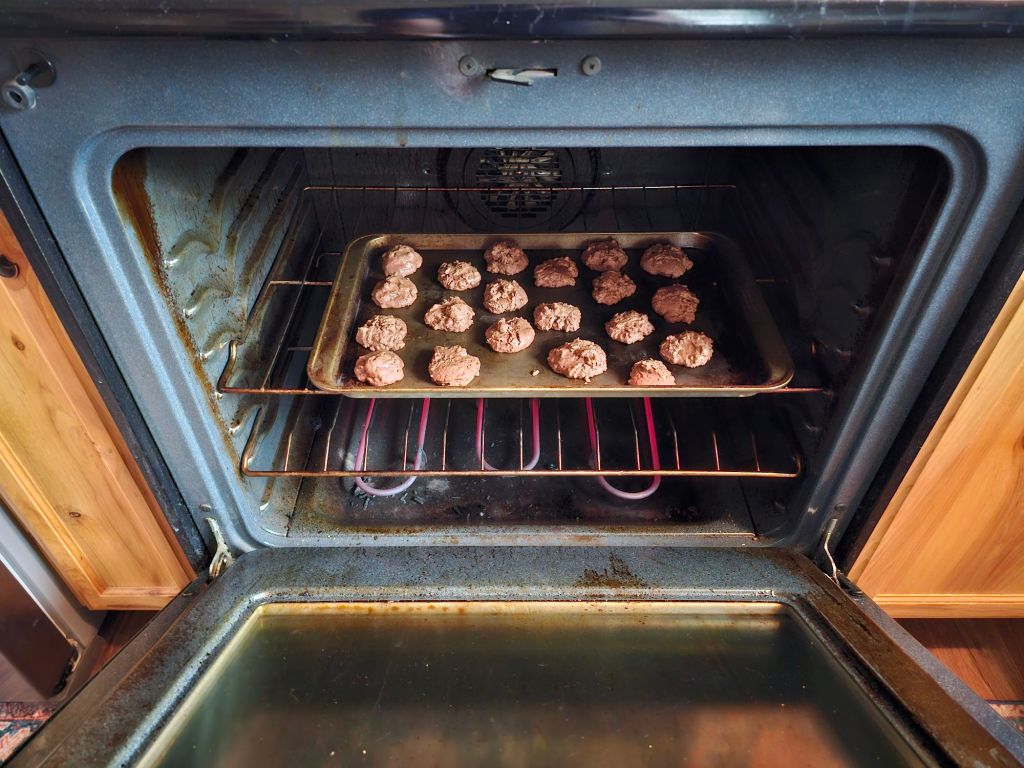
Sometimes, I think having a complete amputation of my hand and using prosthetics that have well-defined uses and limitations would be easier overall. I wouldn’t have to be making all of those little decisions every day for every task. And I would be free of the muscle spasms and risk of re-injury. Maybe even the shooting electrical pains would go away! But that’s just thinking that the grass is greener on the other side. And it’s really not. Right?
Right?
1 Stevens, P. (2018) Updates on Prosthetic Rehabilitation Following Partial Hand Amputation. Retrieved from https://opedge.com/updates-on-prosthetic-rehabilitation-following-partial-hand-amputation/
2 Kraijbich, I. J., Pinzur, M. S., Potter, B. K., Stevens, P. M. (2016) Atlas of Amputations and Limb Deficiencies, Fourth Edition. American Academy of Orthopaedic Surgeons, Rosemont, Illinois
3 Lamothe, C. (2019) Understanding Decision Fatigue. Retrieved from https://www.healthline.com/health/decision-fatigue
 nadia9fingers